
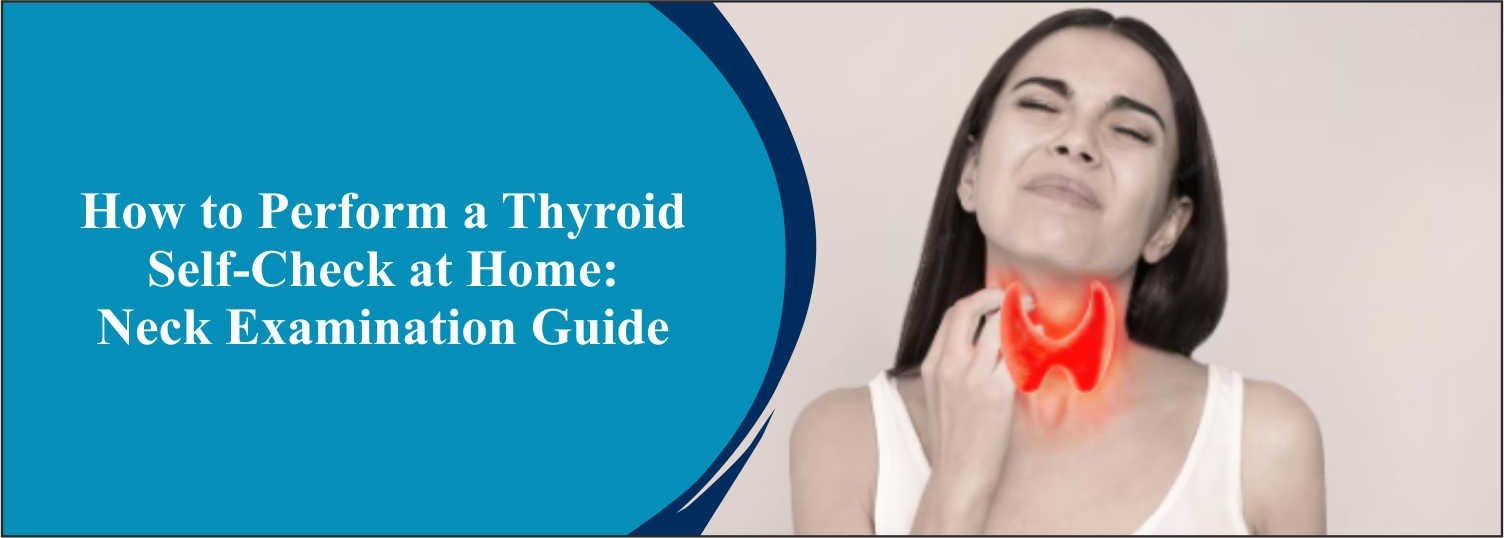
The thyroid is a butterfly-shaped gland
in the front part of the neck. It produces hormones which help to regulate
important body processes like energy and metabolism, body temperature and heart
rates. Sometimes the changes in the thyroid cause the lump to grow, resulting
in an enlarged thyroid.
There is a simple neck exam that is
possible at home to check for any visible neck swelling or lumps in the thyroid
area. A self-examination may help you notice visible changes, but it cannot
diagnose or rule out a thyroid condition. Diagnostic testing may be ordered to
help determine the cause of thyroid-related problems and become available
through Dr. Nikunj Jain at Molecular Diagnostics and Therapy.
What Is a Thyroid
Self-Check?
A thyroid self-check involves an
examination of the front part of your neck. Primarily, it's designed to alert
you to any possible swelling, bulky areas, or thyroid changes in the region.
The thyroid is normally not easily visible. If the swelling or lump is
prominent, it should be further investigated, but not all neck lumps correspond
to thyroid problems.
How to Perform a
Thyroid Self-Check at Home
A simple examination of your neck can
be done in front of a mirror
Step 1: Stand in
Front of a Mirror
Stand upright in front of a mirror in a well-lit area. Keep your head in
a comfortable position and look carefully at the lower front portion of your
neck.
Step 2: Locate the
Thyroid Area
The thyroid is located below the Adam's apple and above the collarbone.
You do not need to press deeply into your neck to perform a self-check.
Step 3: Take a Sip of
Water
Take a small sip of water and slowly swallow while watching the lower
front of your neck in the mirror. As you swallow, observe whether you notice
any unusual swelling, bulge, or lump that moves with swallowing.
Step 4: Look for
Changes
Pay attention to any new or unusual changes in the neck, such as visible
swelling, an obvious lump, or an asymmetrical appearance. Do not repeatedly
press or squeeze the area, as this can cause discomfort and does not provide a
reliable diagnosis.
When Should You See a
Doctor?
Feel a new growth or lump in your neck?
It is important to get checked out by a doctor, particularly if it's growing or
has become larger. If you are unable to swallow or breathe, your voice
continually changes or sounds hoarse, or you experience pain in your neck that
does not go away, you should see a doctor for an evaluation. A health
professional can determine whether there are any other tests needed.
Tests Used to Check
the Thyroid
A thyroid self-check cannot determine
whether the thyroid is normal. Blood tests might be ordered to help diagnose a
thyroid gland problem or suspected thyroid gland nodule, such as tests to check
the amount of thyroid-stimulating hormone (TSH) in the blood and other tests to
check thyroid hormones as needed. An ultrasound of the thyroid may also be
ordered if there's a lump or swelling in the neck. It can be helpful to obtain
detailed images of the thyroid and to monitor any changes that occur in the
structure and nodules of the thyroid. Additional testing may be ordered,
depending on the test and initial findings.
Can a Thyroid Lump
Always Be Seen?
No. Thyroid nodules are not typically
large and can be hard to find. A normal-appearing neck does not mean the thyroid
is totally normal. Healthcare professionals should discuss these with people
with persistent symptoms, a new neck lump, and/or pertinent risk factors.
Importance of
Professional Thyroid Evaluation
A thyroid self-check is not a
diagnostic test. It can allow individuals to become aware of, and seek suitable
medical attention for, neck issues. When the doctor at Molecular Diagnostics
and Therapy has concerns about the thyroid that need further testing, he or she
can help the patient access the right diagnostic investigations.
Conclusion
Making a simple thyroid self-check at home can make you more aware of visible changes in the lower front of your neck, such as swelling or a lump, or other changes. Can't confirm or rule out a thyroid disorder, however, by performing a self-check. If any persistent lump, swelling, difficulty in swallowing, breathing problems, or other changes are noticed by them, they should seek professional medical evaluation. At Molecular Diagnostics and Therapy, Dr. Nikunj Jain provides diagnostic facilities to assist in assessing thyroid and other health issues.