
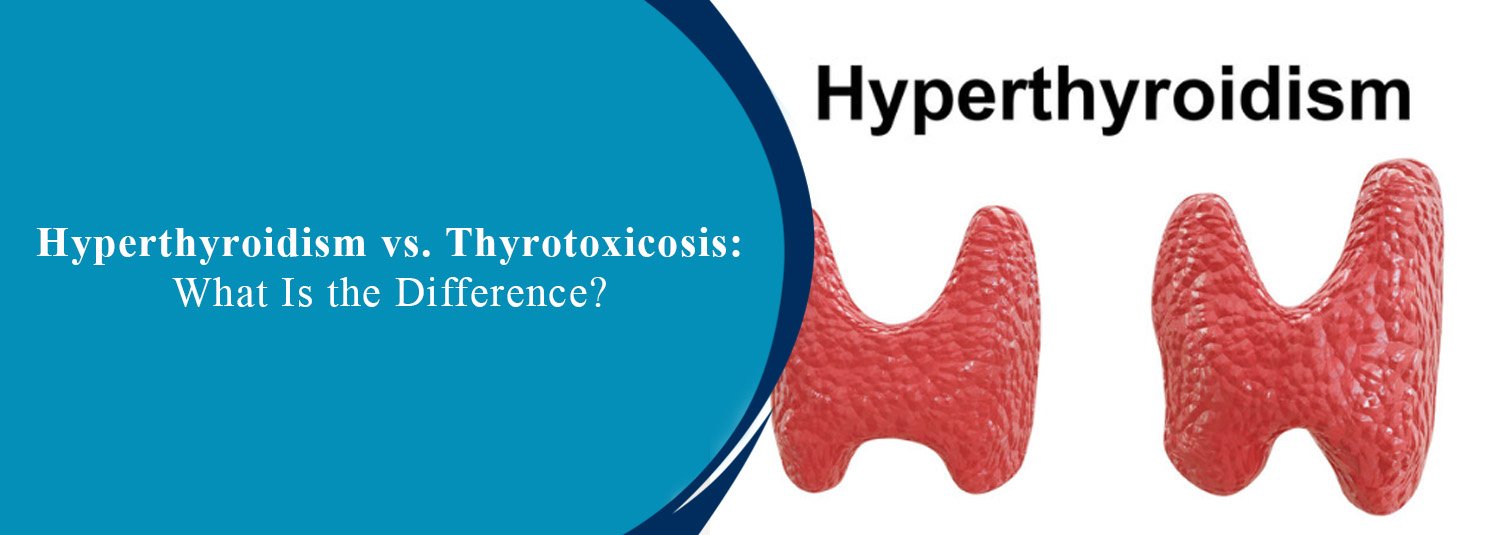
Hyperthyroidism and thyrotoxicosis are related but not identical terms when referring to the thyroid. Both are caused by having too much thyroid hormone in your body, and both can cause you to sweat, have trouble staying asleep, experience heart palpitations, and feel anxious. However, the underlying cause could be other factors. This is important, as medical treatment follows a good medical diagnosis. Molecular Diagnostics and Therapy can offer your lab the specialized tests that can help find out if your thyroid is hyperactive or if there is something else causing your hyperthyroidism. What Is Hyperthyroidism? Hyperthyroidism occurs when the thyroid releases and makes too many thyroid hormones. The thyroid gland is a butterfly-shaped, small gland in the neck. It secretes hormones that control the body's metabolic rate, heart rate, body temperature, and energy consumption. If the function of the thyroid goes up, the metabolism in the body goes up. Symptoms of hyperthyroidism may include:
Unexplained weight loss
Fast or irregular heartbeat
Increased sweating
Nervousness or anxiety
Shaking of the hands
Increased sensitivity to heat
Difficulty sleeping
Frequent bowel movements
Muscle weakness
Menstrual changes
One of the most common causes of hyperthyroidism is Graves’ disease, an autoimmune condition in which antibodies stimulate the thyroid gland to produce excessive hormones. What Is Thyrotoxicosis? Thyrotoxicosis is a situation in which there's a lot of thyroid hormone, or tissue hyperactivity, in the body. Most commonly, in all cases of thyrotoxicosis, there is an overproduction of thyroid hormone by the thyroid gland. In conditions like thyroiditis, inflammation can cause the thyroid to release stored hormone into the blood, even without increased hormone production. In this case, thyrotoxicosis develops from the release of stored hormone, not from increased hormone production. Excessive amounts of thyroid medication can also cause Thyrotoxicosis. Thus, hyperthyroidism is one cause of thyrotoxicosis, although thyrotoxicosis may be caused by other factors. Hyperthyroidism vs. Thyrotoxicosis: The Main Difference The most common method of assessing this difference is to find out where the excess hormone is coming from. Hyperthyroidism: The thyroid is releasing (and making) an excessive amount of the hormone. In hyperthyroidism, the thyroid itself is overproducing hormone. In other causes of thyrotoxicosis, excess hormone may instead come from leakage of stored hormone or from external sources, without increased production. The treatment must be based on the root cause. If a person has Graves' disease, the treatment might involve decreasing the production of thyroid hormone, and if the person has thyroiditis, another treatment may be required. What Causes Hyperthyroidism? There are several causes for hyperthyroidism. Graves' disease is a common cause. Other causes are toxic multinodular goiter and/or toxic thyroid nodules, which are small areas of the thyroid gland that make thyroid hormone. Some drugs can also cause thyroid disorders, and excessive iodine intake can be the cause of thyroid issues as well. The key is to determine what is causing the high hormones, and then to treat the underlying issue instead of just the high hormones. What Causes Thyrotoxicosis Without Hyperthyroidism In some cases, in the presence of thyrotoxicosis, the thyroid does not produce more hormone, yet blood hormone levels are still elevated. Examples include thyrotoxicosis resulting from thyroiditis or from taking too much thyroid hormone medication. Thyroiditis can be triggered by infection, the postpartum phase, or by an autoimmune response. In such cases, inflammation can cause preformed thyroid hormone to be released into the bloodstream. Some people do not always make too much thyroid hormone and so don't need medicine to block the production of the hormone. How Are They Diagnosed? Typically, thyroid blood tests should be the first tests performed when diagnosing. The thyroid function tests are a common diagnostic test ordered to determine if levels of thyroid hormone are abnormal, such as TSH, Free T4, and sometimes Free T3. Other tests might be ordered based on suspected cause. All of this may be performed on a blood test basis; an ultrasound scan of the thyroid, a radioactive iodine uptake scan, and/or a scan of the thyroid may be performed. Depending upon the symptoms, history, and initial thyroid function tests, Dr. Nikunj Jain may indicate diagnostic investigations that may include a thyroid scan, a blood test that measures thyroid hormone levels, or blood tests to look for abnormalities, such as an autoimmune reaction. Such investigations can be useful to differentiate Graves' disease, thyroiditis, and thyroid nodules. Molecular Diagnostics and Therapy Laboratory offers comprehensive information on thyroid function and structure to the doctor, helping them to evaluate thyroid disorders. Why Is the Difference Important? Hyperthyroidism and thyrotoxicosis can have similar symptoms; however, there is a difference in the treatment and the etiology or cause of the two. An example of this is that pills to decrease thyroid hormone production may be needed, radioactive iodine, or surgery (in some patients with Graves' disease). In some cases, therapeutic effects may eliminate thyroid hormone excess (thyrotoxicosis), which can ease as the thyroiditis improves, and can require supportive therapy to treat symptoms. This is why blood tests that total an excessive amount of thyroid hormones aren't always conclusive. It's important to try to find the cause of the problem when using the history to make a diagnosis and to work the problem out. When Should You Get Your Thyroid Tested? If your symptoms last for a long time, though, including unexplained weight loss, rapid pulse, sweating easily, shivering, abnormally heavy nervousness, getting hot easily, or unusual periods, consult a health care provider about getting a checkup of your thyroid. It is recommended to be done periodically in patients with diagnosed thyroid disorder to assess thyroid function or as part of maintenance thyroid therapy. Early treatment will identify thyroid disease before symptoms of a thyroid problem can manifest, and help identify medical management of a thyroid problem as an early-stage event. Conclusion Thyrotoxicosis is related to, though it is not the same as, hyperthyroidism. Hyperthyroidism actually refers to overproduction of thyroid hormone by the thyroid gland, and thyrotoxicosis refers to the clinical condition resulting from too much thyroid hormone in the body due to any cause. It is important to grasp this difference to diagnose its cause and to choose the right treatment. Tests of your blood level of thyroid hormone and, as needed, further imaging or labs that check antibodies can aid in the diagnosis if symptoms suggest excess thyroid hormone.
Molecular Diagnostics and Therapy, with its team of expert testing and imaging specialists, offers advanced testing services to help precisely evaluate thyroid-related conditions. On-time and accurate tests, along with medical evaluations, help prevent the underlying cause from being unrecognized and mismanaged.