
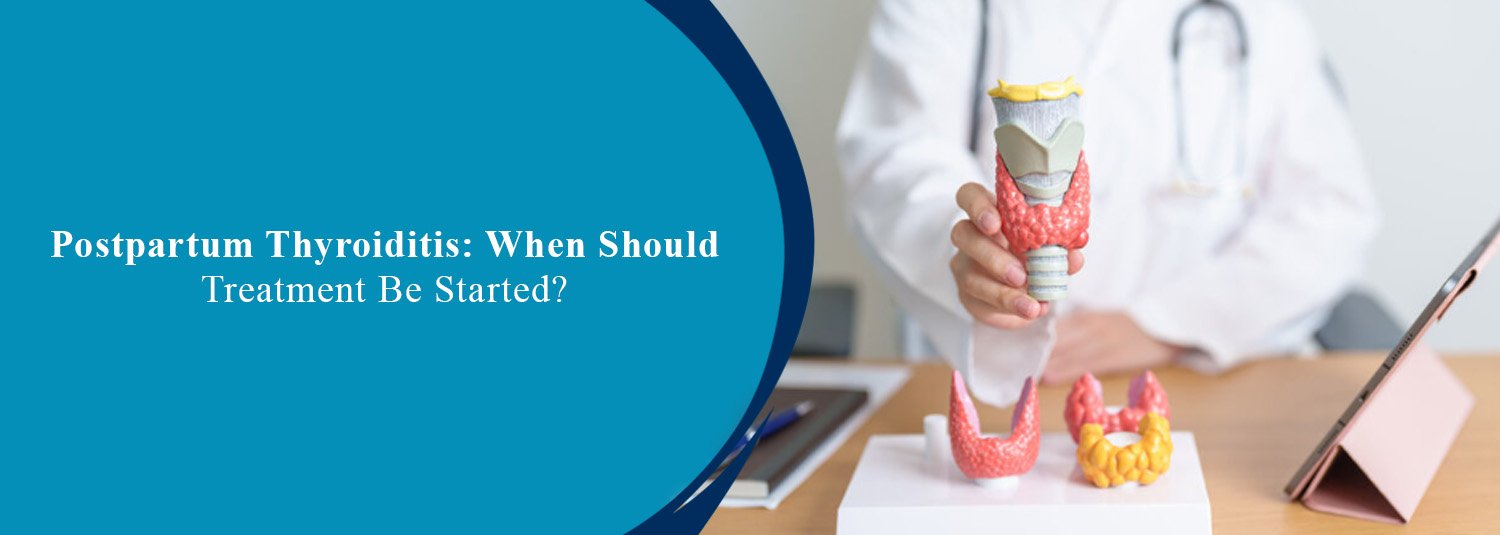
The first year after giving birth may cause a temporary thyroid condition, which is known as postpartum thyroiditis. It is when the thyroid gland becomes inflamed, leading to changes in thyroid hormone levels. A few women have only one phase, or some go through a phase of hyperthyroidism followed by a phase of hypothyroidism. Postpartum thyroiditis can sometimes be overlooked, since there can be similar symptoms to those that occur during normal postpartum hormone fluctuations. It is crucial to know when to check the condition and when to seek treatment. In Molecular Diagnostics and Therapy, thyroid testing is used to determine thyroid function changes following pregnancy. Dr. Nikunj Jain helps explain thyroid readings and make sure that those in need undergo testing or treatment for their thyroid.
What Is Postpartum Thyroiditis?
Postpartum thyroiditis – inflammatory changes in the thyroid gland developing after giving birth. It is related to an autoimmune response that attacks the thyroid gland. It usually happens within the first year following birth, but can happen sooner or later and in various patterns.
Hyperthyroid phase: The inflamed thyroid may release stored thyroid hormones, temporarily causing high thyroid hormone levels.
Hypothyroid phase: After the stored hormones are depleted, thyroid hormone production may become low.
Recovery phase: Thyroid function may eventually return to normal in many women.
Not every woman experiences all three phases.
What Are the Symptoms?
Symptoms vary depending on the phase of PPT. In the hyperthyroid period, there could be a higher pulse rate, nervousness, impatience, skin warmth, or a lack of sleep. In the hypothyroid stage, symptoms could include tiredness or feeling chilly, constipation, dry skin, reduced energy, or trouble concentrating. Sometimes these symptoms can be confusingly similar to normal changes following childbirth; both involve sleep loss and hormonal changes. Blood tests for the thyroid can be used to see if any symptoms are linked to thyroid dysfunction.
When Should Thyroid Testing Be Done?
If you have symptoms or risk factors for postpartum thyroiditis, tests might be suggested. These are usually the main tests: TSH and free T4. Thyroid antibody testing may also be helpful in certain cases. Women who have had any previous thyroid problems during pregnancy and postpartum, or women with autoimmune thyroid diseases, might be at risk and should be followed more carefully after delivery.
When Is Treatment Necessary?
Treatment is based on the stage of PT and symptoms. Often it is not necessary to treat a mild hyperthyroid phase because it may be a time when the thyroid gland is releasing hormones instead of making more. If symptoms such as a rapid heartbeat or tremors are troublesome, a doctor may consider medication to control symptoms. Antithyroid drugs are usually of no avail during the destructive thyroiditis phase because, rather than hormone production, it is hormone leakage from the inflammatory thyroid tissue that is the problem. Thyroid hormone replacement might be suggested if symptoms are severe, blood levels of thyroid hormone are critically low, or for other reasons.
Is Levothyroxine Used?
If treatment is required in the hypothyroid stage, the drug levothyroxine, a thyroid hormone replacement drug, may be given. Treatment and dosage vary based on blood tests of the thyroid and the individual. Some women's hypothyroidism following postpartum thyroiditis is temporary, and others develop permanent hypothyroidism. Medications should never be initiated, discontinued, or altered without physician advice.
How Long Does Postpartum Thyroiditis Last?
It takes time, depending on the individual. A few women regain their normal thyroid function, and some have hypothyroidism for many months. Laboratory testing may be necessary after delivery, due to changes in thyroid function during the first year postpartum. Levothyroxine may be prescribed; however, the doctor may re-evaluate thyroid function at that time to decide whether to give continuing tablets.
Can Postpartum Thyroiditis Become Permanent?
Yes, while most women may eventually regain normal thyroid function, others end up with permanent hypothyroidism. Women who test positive for thyroid antibodies are at higher risk of developing permanent hypothyroidism. Persistent thyroid problems can be identified through ongoing monitoring. Postpartum thyroiditis can also raise a woman's likelihood of developing thyroid problems later in life.
Postpartum Thyroiditis and Breastfeeding
Breastfeeding doesn't need to be stopped if a woman has postpartum thyroiditis. Treatment varies slightly depending on the stage of the thyroid, symptoms, lab values, and medications considered. It is important to notify a healthcare professional before beginning any thyroid medication if breastfeeding, to choose the thyroid medication that is right for the individual.
Why Regular Thyroid Testing Matters
Symptoms may not always be reliable and sure indicators of thyroid function, as it can move from one stage to another during postpartum thyroiditis. Monitoring changes through regular tests using TSH and free T4 levels indicates whether it is necessary to follow up with observation alone, in conjunction with symptom management, or if therapy with thyroid replacement medicine is required. The thyroid function testing uses Molecular Diagnostics, and therapy aids the evaluation and monitoring of thyroid function during the postpartum period. Dr. Nikunj Jain helps to interpret your test results and talk to you about the steps ahead, depending on your unique situation. Conclusion Postpartum thyroiditis can affect thyroid function postpartum. But not all women require treatment immediately. It may need to be monitored for mild cases, may need symptom control for significant hyperthyroid symptoms, and may require thyroid hormone replacement for hypothyroidism. Follow-up testing is important in therapy since thyroid testing may change over time. After the birth of a child, if a person's symptoms are persistent, he or she might have risk factors for a thyroid disorder and should consider thyroid testing. Postpartum thyroid testing and monitoring are facilitated at Molecular Diagnostics and Therapy, with the guidance of Dr. Nikunj Jain.