
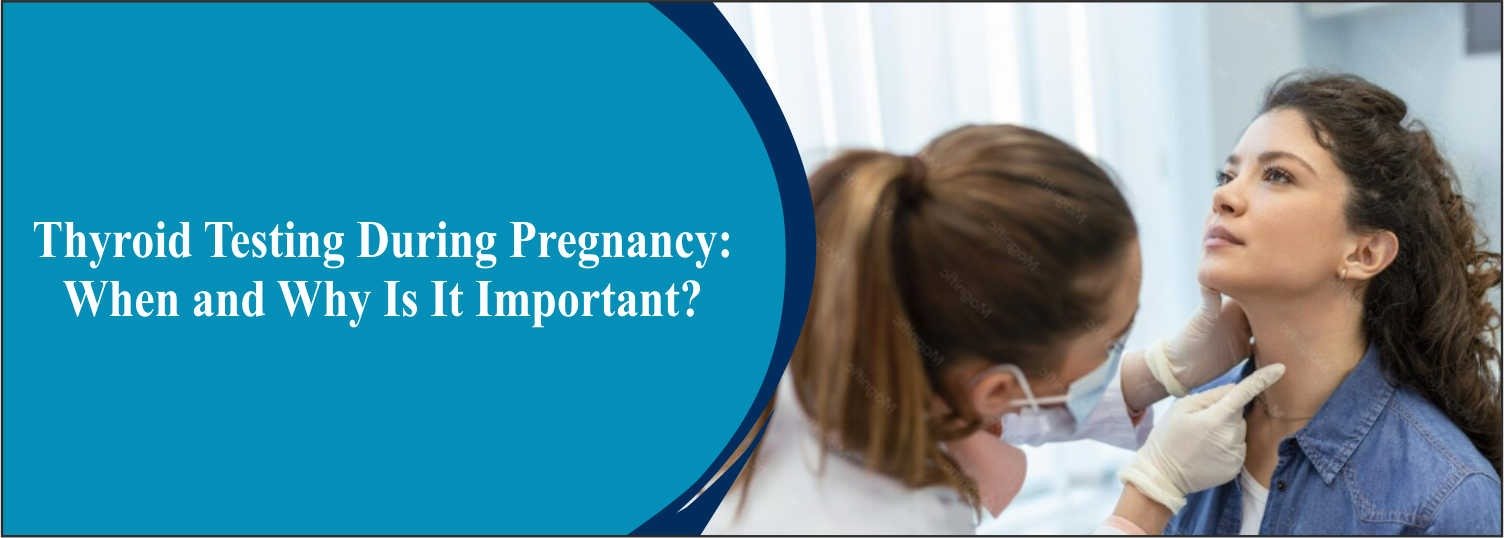
Thyroid hormones are important during pregnancy, as many hormonal changes take place in the body during the same period. The thyroid gland produces hormones that help metabolism and normal growth and development. However, certain laboratory tests might be useful during pregnancy to uncover thyroid dysfunction, which may require medical intervention. Dr. Nikunj Jain provides treatment to patients with proper diagnosis, when indicated, and thyroid workup during pregnancy at Molecular Diagnostics and Therapy. Timely testing can facilitate monitoring of thyroid function and enable the health care worker to make decisions regarding ongoing treatment.
Why Is Thyroid Testing Important During Pregnancy?
Thyroid hormones are important for both the mother and developing baby. The level of required thyroid hormone can vary in women during their pregnancy, particularly during early pregnancy. It might be a hypoactive thyroid (underactive) or hyperactive thyroid (overactive), and monitoring and treatment of these may be necessary in the context of pregnancy. Thyroid disorders can be properly diagnosed by blood tests so that they can be managed well. When Should Thyroid Testing Be Done During Pregnancy?
Thyroid testing is sometimes ordered in early pregnancy for women with symptoms, a history of thyroid disease, family history of thyroid disease, and other thyroid risk factors. For some women, their thyroid may be being treated already before becoming pregnant. When this occurs, the thyroid hormone levels might even become more important and monitored more closely due to pregnancy's influence on the body's needs for thyroid hormones. The frequency and occasion of tests should be determined by the treatment provider for each patient according to the situation. Which Thyroid Tests Are Used During Pregnancy? Thyroid-stimulating hormone (TSH) is the most common thyroid blood test. A healthcare provider may also order some other tests of the thyroid, such as free T4, depending on the symptoms. In some circumstances, antibody testing of the thyroid (TPO antibody and Tg antibody) can be used as an option, particularly if you have a suspicion of an autoimmune thyroid disorder. Results obtained that reflect reference ranges in the non-pregnant adult population must be used with caution in the case of pregnant women, where reference intervals may deviate.
Who May Need Thyroid Testing? Pregnant women who have had thyroid disorders in the past, thyroid surgery, autoimmune thyroid disorders, or who have a family history of thyroid disorders may need thyroid testing during pregnancy. Women with symptoms that are suggestive of thyroid dysfunction may also need testing. A healthcare provider will be able to decide if testing is warranted after reviewing their patient's medical history and clinical assessment.
Can Thyroid Problems Affect Pregnancy? Women with untreated thyroid disease during pregnancy may experience certain health difficulties during pregnancy and delivery as well as for their baby. The risk is based on the type and severity of the thyroid problem(s) and whether a person is taking care of their thyroid. For this reason, it is crucial to identify and appropriately monitor maternal thyroid disorders and, when indicated, assess fetal or neonatal risks.
How Often Should Thyroid Testing Be Repeated? The frequency of thyroid testing varies from person to person based on a person's thyroid condition, results of the tests, thyroid medication use, pregnancy status, and the recommendations of their health care provider. If the women are already being treated for thyroid disease, they may need to be monitored more often than women without thyroid disease. Everyone should not follow a standard testing regimen, as this could be inappropriate for the individual, depending upon the treatment their health care provider prescribes.
Thyroid Testing at Molecular Diagnostics and Therapy Diagnostic studies in the lab are an essential component of thyroid evaluation in pregnancy. The Molecular Diagnostics and Therapy laboratory, led by Dr. Nikunj Jain, offers diagnostic testing that may support evaluation and monitoring of thyroid conditions. If they have these symptoms, they should speak with their healthcare professional about symptoms, medical history, and medications, and about tests that were previously performed to help determine which tests to do.
Conclusion Thyroid testing during pregnancy is used to detect thyroid abnormalities and provide adequate monitoring of the thyroid as necessary. Subsequent blood tests like TSH and free T4 might be needed, depending on the person's medical history, symptoms, and the need for the blood test during pregnancy. Thyroid levels and thyroid testing requirements can vary during a woman's pregnancy, and thyroid test results should always be interpreted with the guidance of a qualified health care professional. Molecular Diagnostics and Therapy, under the care of Dr. Nikunj Jain, offers diagnostic services to help with thyroid testing or monitoring, along with appropriate prenatal care.