Overactive Thyroid Guide · Molecular Diagnostics & Therapy

Hyperthyroidism
Consultation, Diagnosis & Expert Care

Specialized evaluation, diagnostic blood panels, Technetium-99m Thyroid Scans, and Radioiodine (I-131) Therapy at Molecular Diagnostics and Therapy.

Hashimoto's Autoimmune TSH & Free T4 Panel Levothyroxine Guidance Dr. Nikunj Jain (18+ Yrs Exp)
← All Conditions
Overview & Clinical Care

Hypothyroidism Consultation and Care — Under One Roof.

Hyperthyroidism occurs when the thyroid gland becomes overactive, producing excessive amounts of Thyroxine (T4) and Triiodothyronine (T3) hormones. Elevated thyroid hormones accelerate the body's metabolic rate significantly, leading to symptoms such as rapid heart rate, palpitations, unexplained weight loss despite good appetite, heat intolerance, excessive sweating, and anxiety.

At Molecular Diagnostics and Therapy, we evaluate hyperthyroidism through a multi-modal approach — combining blood hormone panels, TSH receptor antibody testing (TRAb), and Technetium-99m / I-131 Thyroid Scans to pinpoint the exact cause and deliver definitive treatments like I-131 Radioiodine Therapy under one roof.

Thyroid Hormones
Thyroxine (T4) & T3 regulate metabolism & body heat.
Consultation
Specialist evaluation by Dr. Nikunj Jain.
Diagnostic Labs
TSH, TSI, Free T4 & antibody panels.
Nuclear Medicine
Thyroid Scans & Gamma imaging when indicated.
Personalized Care
Levothyroxine dosing tailored to body weight & age.
Regional Network
Streamlined care across Delhi NCR & North India.
Understanding The Disease

What Is Hyperthyroidism?

Hyperthyroidism is a clinical state resulting from excessive synthesis and secretion of thyroid hormones by the thyroid gland. When T4 and T3 circulate in abundance, the body's metabolism shifts into hyper-drive, accelerating heart rate, energy expenditure, and digestive motility.

The condition can affect individuals of any age and requires prompt medical attention. Differentiating between autoimmune overactivity (Graves' disease), toxic autonomous nodules, and thyroiditis is crucial because each condition requires a completely different treatment strategy.

Etiology

Common Causes of Hyperthyroidism

Identifying the exact etiology via Thyroid Scanning determines the appropriate therapeutic pathway.

Autoimmune Cause
Graves' Disease
An autoimmune disorder where TSI antibodies stimulate the TSH receptor, causing diffuse hyperfunctioning and enlargement of the thyroid gland.
Nodular Cause
Toxic Multinodular Goiter
Multiple autonomous nodules in the thyroid gland producing excessive thyroid hormones independently of TSH regulation.
Single Nodule
Toxic Adenoma ("Hot" Nodule)
A single autonomous hyperfunctioning thyroid nodule suppressing the rest of the normal thyroid tissue.
Inflammatory
Subacute Thyroiditis
Transient inflammation of the thyroid gland causing temporary release of pre-formed stored thyroid hormones into the bloodstream.
Clinical Signs

Symptoms of Hyperthyroidism

Overactive thyroid hormones accelerate metabolic rate, producing characteristic physical and neurological signs.

Rapid heart rate & palpitations
Tachycardia, fluttering heart sensation, or irregular pulse.
Unexplained weight loss
Weight loss despite normal or increased food intake.
Heat intolerance & sweating
Feeling excessively warm and sweating profusely.
Nervousness, anxiety & irritability
Restlessness, mood swings, or emotional lability.
Fine hand tremors
Involuntary trembling in hands or fingers.
Frequent bowel movements
Accelerated digestive transit time.
Difficulty sleeping (Insomnia)
Trouble falling or staying asleep due to heightened arousal.
Muscle weakness & fatigue
Weakness in upper arms and thighs despite restlessness.
Enlarged thyroid (Goiter)
Visible or palpable swelling at the front of the neck.
Light or infrequent menstrual periods
Scanty or missed menstrual cycles in women.
Warm, moist skin & thin hair
Silky fine hair texture and warm skin.
Eye prominence (Graves' Orbitopathy)
Bulging eyes, dryness, or double vision in Graves' disease.

If you experience persistent palpitations, unexpected weight loss, or heat intolerance, a prompt thyroid function test and specialist evaluation are essential.

Lab Evaluation

How Is Hyperthyroidism Diagnosed?

A comprehensive diagnostic pathway integrating blood panels with specialized Thyroid Uptake Imaging.

01
Thyroid Function Panel (TSH, FT4, FT3)
Suppressed TSH (<0.01 uIU/mL) combined with elevated Free T4 and Free T3 confirms hyperthyroidism.
02
TSH Receptor Antibody (TRAb / TSI)
Serum antibody testing confirms underlying autoimmune Graves' disease.
03
Technetium-99m / I-131 Thyroid Scan
Essential scan to differentiate diffuse uptake (Graves') vs focal uptake (Hot Nodules) vs low uptake (Thyroiditis).
04
Cardiac & Clinical Evaluation
Pulse rate monitoring, ECG, and physical exam to manage systemic cardiovascular effects.
Nuclear Imaging

Role of Thyroid Scan in Hyperthyroidism

A Thyroid Scan & Uptake Test is the gold-standard diagnostic tool for hyperthyroidism. Unlike blood tests alone, a Thyroid Scan visually reveals the functional pattern of the gland.

In Graves' disease, the scan shows intense, uniform tracer absorption throughout both lobes. In toxic nodules, it shows localized "hot" spots suppressing surrounding tissue. In thyroiditis, tracer uptake is minimal. This precise distinction guides whether medication, surgery, or Radioiodine Therapy is appropriate.

Nuclear Medicine Assessment at MDT

At Molecular Diagnostics and Therapy, our Nuclear Medicine specialists evaluate whether Technetium-99m / I-131 Thyroid Scanning or high-resolution ultrasound is required based on individual clinical indications.

Explore Advanced Thyroid Scan Details →
Clinical Treatment

Treatment for Hyperthyroidism

Radioactive Iodine (I-131) Therapy
Radioiodine (I-131) therapy (10 mCi) is a highly effective, definitive non-surgical treatment led by Dr. Nikunj Jain. Overactive thyroid cells naturally absorb the oral capsule, emitting targeted radiation that safely normalizes thyroid activity without surgery.
Antithyroid Medications & Beta-Blockers
Neomercazole (Methimazole) or PTU medications reduce hormone synthesis, while Beta-blockers (Propranolol) control rapid heart rate and tremors during initial management.
Specialist Guidance
Therapy selection depends on age, goiter size, cardiac status, and diagnostic uptake scan results. Regular follow-up ensures optimal thyroid balance.
Oncology Follow-Up Care

Thyroid Cancer Follow-Up Care

At Molecular Diagnostics and Therapy, patients with Graves' disease or toxic nodules can access low-dose (10 mCi) I-131 Radioiodine Therapy under expert supervision. The single oral capsule selectively ablates hyperactive thyroid tissue on an outpatient basis.

Following therapy, periodic blood monitoring at 6 weeks, 3 months, and 6 months tracks the gradual normalization of thyroid activity, ensuring long-term health and stability.
Dr. Nikunj Jain
Expert Leadership

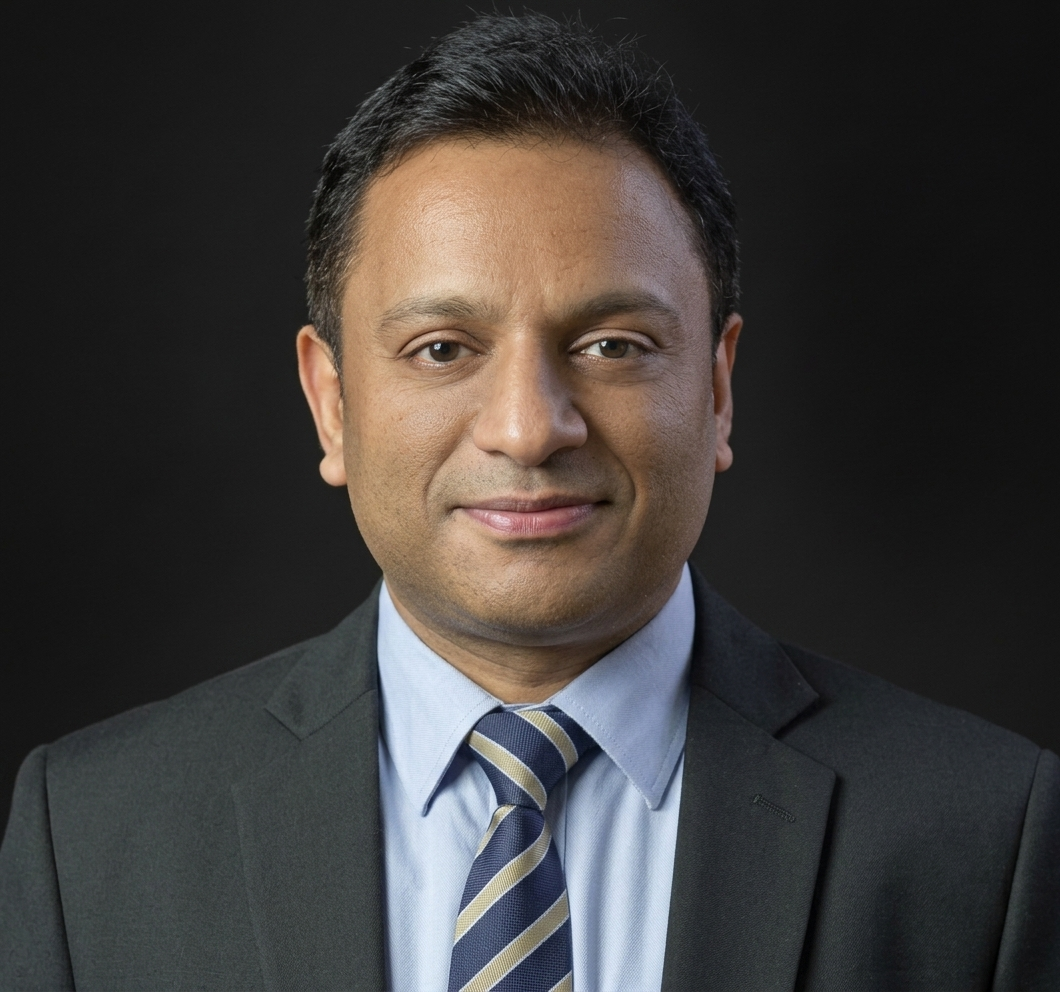
Dr. Nikunj Jain

Founder & HOD – Nuclear Medicine
18+ Years
Nuclear Medicine Exp
75,000+
PET-CT & Scans

Dr Nikunj Jain, Founder and HOD – Nuclear Medicine at Molecular Diagnostics and Therapy and Molecular Path Labs, leads the Nuclear Medicine department. With over 18 years of specialized experience, he has completed over 75,000 PET-CT scans, extensive Gamma Scans, and non-surgical I-131 Radioiodine Therapies for hyperthyroidism.

Integrated Setup

Why Choose Molecular Diagnostics and Therapy?

At Molecular Diagnostics and Therapy, patients access thyroid consultations, diagnostic blood labs, Technetium-99m Thyroid Scans, and I-131 Radioiodine Therapy under one roof.
Led by Dr. Nikunj Jain (18+ years nuclear medicine experience, 75,000+ PET-CT and Gamma Scans), our department provides accurate diagnostic clarity and definitive nuclear therapy solutions.
Patients across Delhi NCR and North India benefit from a streamlined, integrated care pathway without needing to visit multiple facilities.
Regional Access

Hyperthyroidism Care Across Delhi NCR & Nearby Regions

With Dr. Nikunj Jain's nuclear medicine expertise, patients from Delhi NCR, Ghaziabad, Noida, West UP, Haryana, Punjab, and Uttarakhand receive coordinated consultation, diagnostic imaging, and I-131 therapy.

📍 Delhi NCR 📍 Ghaziabad 📍 Noida 📍 West UP 📍 Haryana 📍 Punjab 📍 Uttarakhand
Take The Right Step

Take the Right Step for Your Overactive Thyroid

Hyperthyroidism is highly treatable when accurately diagnosed. If you suffer from rapid pulse, unexplained weight loss, heat intolerance, or tremors, a thyroid evaluation and Thyroid Scan can pinpoint the cause.

Contact Our Center