
Thyroid Cancer Care
Consultation, Diagnosis & Expert Care
Specialized post-surgical staging, Radioactive Iodine (I-131) remnant ablation (30 to 200 mCi), Whole Body Iodine Scanning, and long-term surveillance by Dr. Nikunj Jain.
Hypothyroidism Consultation and Care — Under One Roof.
Differentiated thyroid cancer (Papillary and Follicular carcinoma) is highly treatable when managed through a coordinated, multi-modal healthcare approach. Following total or near-total thyroidectomy, Radioactive Iodine (I-131) Therapy is used to destroy microscopic residual thyroid remnant tissue, clear occult cancer cells, and enable sensitive long-term follow-up using blood Thyroglobulin (Tg) tracking.
At Molecular Diagnostics and Therapy, patients requiring nuclear medicine evaluation after thyroid cancer surgery can access specialist consultation, diagnostic Whole Body Iodine Scans, neck ultrasound, blood panels, and Radioiodine (I-131) Therapy within the same integrated setup.
What Is Differentiated Thyroid Cancer?
Differentiated thyroid cancer (DTC) arises from follicular thyroid cells and comprises Papillary Thyroid Carcinoma (PTC) and Follicular Thyroid Carcinoma (FTC). Because DTC cells retain the unique biological capacity to absorb iodine, radioactive iodine can be targeted directly to thyroid tissue.
After surgical thyroidectomy, administering Radioactive Iodine (I-131) eliminates remaining normal thyroid remnant tissue as well as microscopic or metastatic cancer deposits throughout the body without surgery.
Types of Thyroid Cancer & Staging
Proper histological classification and risk stratification determine the exact radioiodine dose required.
Key Indicators & Surveillance Markers
Common signs, symptoms, and post-operative surveillance parameters for thyroid cancer.
Regular long-term follow-up with blood Thyroglobulin testing and diagnostic Whole Body Iodine Scans is essential for detecting any cancer recurrence at an early stage.
Post-Operative Staging Pathway
A structured step-by-step pathway following thyroid cancer surgery.
Whole Body Iodine (I-131) Scan for Cancer Staging
A Whole Body Iodine Scan is a specialized nuclear medicine study performed after thyroidectomy and radioiodine therapy. It sweeps the entire body to locate any remaining thyroid tissue or thyroid cancer spread.
The scan provides crucial functional information not visible on routine ultrasound or CT scans, ensuring accurate post-therapy staging and total peace of mind during long-term cancer surveillance.
At Molecular Diagnostics and Therapy, our Nuclear Medicine specialists evaluate whether Technetium-99m / I-131 Thyroid Scanning or high-resolution ultrasound is required based on individual clinical indications.
Explore Advanced Thyroid Scan Details →Radioactive Iodine (I-131) Therapy Protocols
Thyroid Cancer Follow-Up Care
Following radioiodine ablation, patients require lifelong Levothyroxine therapy to replace missing thyroid hormones and suppress TSH (Thyroid-Stimulating Hormone), preventing cancer cell stimulation.
Periodic surveillance includes blood Thyroglobulin (Tg) testing every 6 to 12 months, high-resolution neck ultrasound, and diagnostic Whole Body Iodine Scans when clinically indicated within MDT's integrated setup.
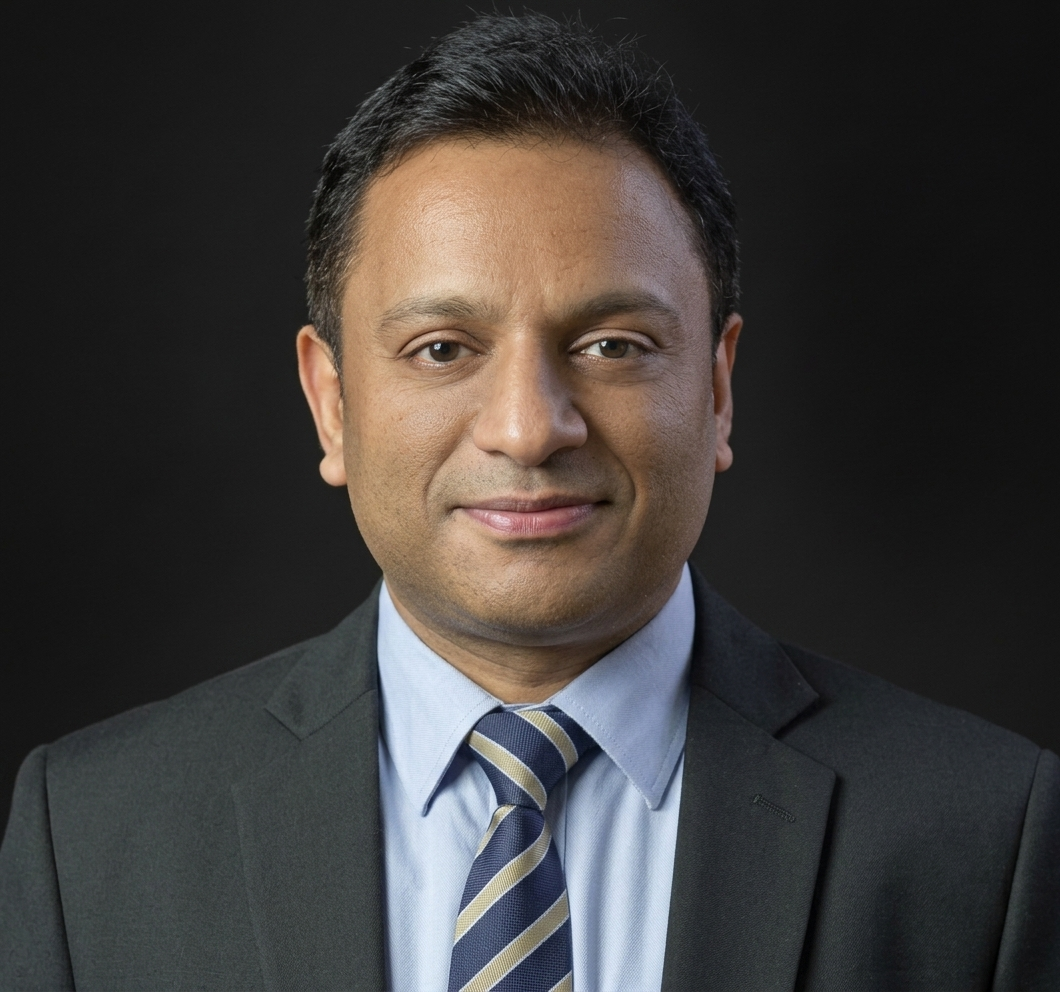
Dr. Nikunj Jain
Dr. Nikunj Jain, Founder and HOD – Nuclear Medicine at Molecular Diagnostics and Therapy and Molecular Path Labs, brings more than 18 years of Nuclear Medicine experience. He specializes in post-operative thyroid cancer staging, whole-body gamma scans, diagnostic I-131 sweeps, and therapeutic radioiodine ablation (30 mCi to 200 mCi).
Why Choose Molecular Diagnostics and Therapy for Thyroid Cancer Care?
Thyroid Cancer Care Across Delhi NCR & North India
With Dr. Nikunj Jain's nuclear medicine leadership and advanced imaging, patients from Delhi NCR, Ghaziabad, Noida, West UP, Haryana, Punjab, and Uttarakhand access streamlined cancer staging and radioiodine therapy.
Take the Right Step for Your Thyroid Cancer Care
Thyroid cancer has an excellent prognosis when treated with expert surgery, timely Radioiodine (I-131) ablation, and diligent long-term surveillance.